
When Jurors Can’t Agree: Deadlocked Juries in Gwinnett County Felony Trials
Key Takeaways: When a Gwinnett County felony jury says it is deadlocked, the trial generally does not end right away. Georgia law lets the judge order more deliberation and give additional instructions, often called an Allen charge. Under O.C.G.A. § 15-12-5.1, the judge may also ask how the jury is split by number, but not which side has the majority. If the jury still cannot agree, the judge may declare a mistrial. The State can usually retry the case, offer a new plea, or drop the charges. A trial ended improperly can bar a retrial under double jeopardy rules, but agreeing to a mistrial or asking for one may give up that protection. If the jury decides some counts but not others, the court generally enters the verdicts it reached, and generally only the deadlocked counts may be tried again.
When jurors in a Gwinnett County felony case say they cannot agree, the trial generally does not end right away. The judge may send the jury back to keep deliberating or give an Allen charge encouraging jurors to try again. If the jury is still stuck, the judge may declare a mistrial. The State can then generally retry the case, offer a new plea deal, or, in some cases, drop the charges.
If you or someone you love is facing felony charges in Gwinnett County Superior Court, you do not have to work through this alone. Tailor Law P.C. can explain where your case stands and what your options may be. Call 404-703-9797 or contact us now to talk with an attorney who has spent more than 12 years in the courtroom.
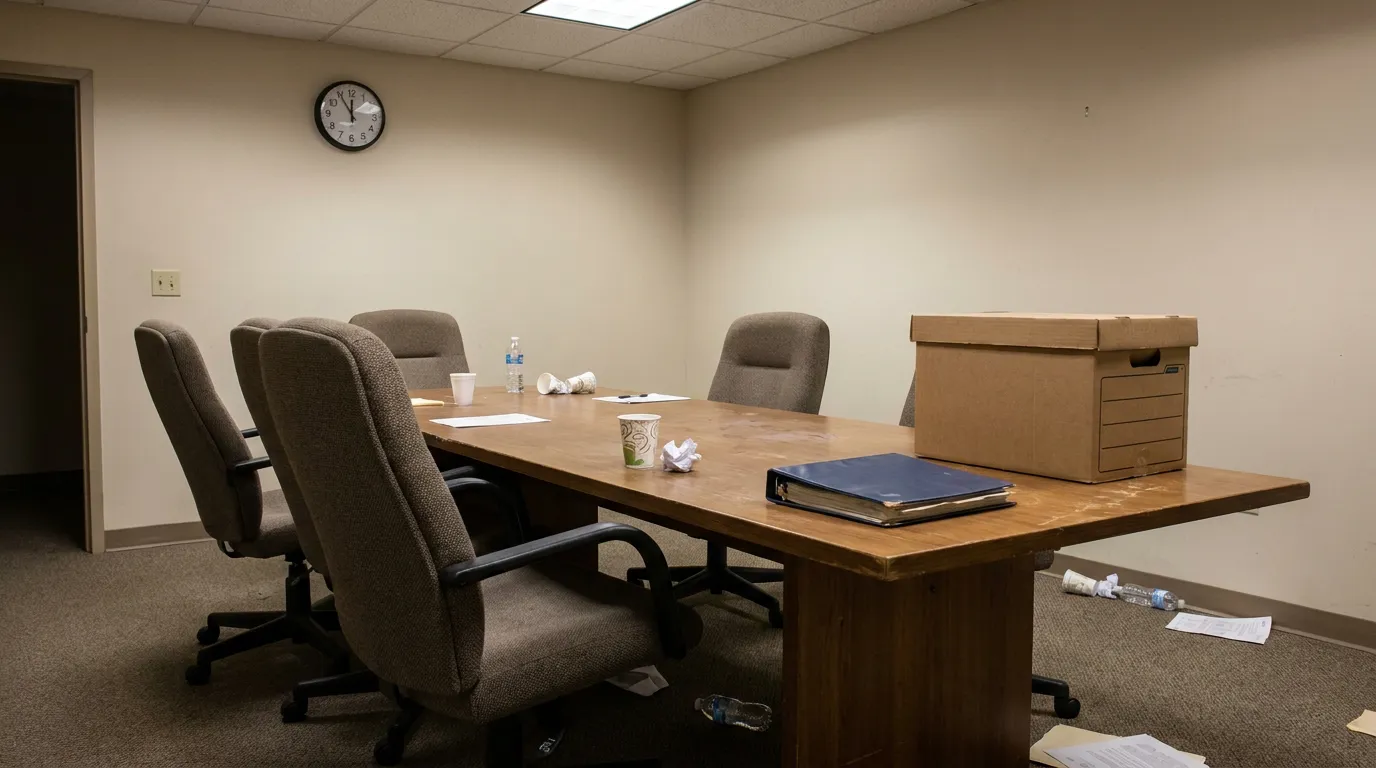
How Georgia Juries Reach a Verdict in a Felony Case
In Georgia criminal trials, the jury decides both the law and the facts, and the verdict is generally a general verdict of "guilty" or "not guilty" under O.C.G.A. § 17-9-2. A hung jury, also called a deadlocked jury, cannot agree on a verdict. Georgia criminal verdicts must be unanimous, so even one disagreeing juror can keep the jury from deciding the case.
Generally, only the 12 seated jurors deliberate. Under O.C.G.A. § 15-12-172, alternate jurors do not join deliberations unless they replace a regular juror who dies, becomes ill, is unable to serve, or is discharged for another legal reason. O.C.G.A. § 15-12-171 separately provides that alternate jurors do not retire with the jury upon final submission of the case unless the court orders them kept in separate custody.
Many general rules for criminal trials come from Title 17 of the Georgia Code. Jury deliberation and double jeopardy rules also appear in Titles 15 and 16. Because these are state laws, the same rules generally apply in Lawrenceville as in Walton, Barrow, Clarke, and every other Georgia county. Your judge still has discretion over each step, which is one reason local trial experience matters.
What a Deadlock Looks Like in Practice
Usually, the jury sends the judge a note saying it cannot agree. The judge then typically talks with the prosecutor and defense attorney about how to respond. This is often the first point where your attorney must make a strategic decision quickly, sometimes within minutes.
What Is an Allen Charge Jury Instruction?
An Allen charge is an extra instruction a judge gives to a deadlocked jury to encourage it to keep working toward a verdict. Some people call it the "dynamite charge" because it is meant to break a stalemate. Georgia’s jury deliberation statute, O.C.G.A. § 15-12-5.1, allows the court to require more deliberation after the jury first reports it cannot agree, and to give additional instructions to help the jury reach a verdict. Georgia courts review whether these instructions are coercive.
An Allen charge generally asks each juror to keep an open mind and listen to the others again. A proper charge should also remind jurors not to give up their honest convictions just to reach a verdict. An instruction that pushes too hard toward a verdict may be challenged as coercive.
The Numerical Division Question
Under O.C.G.A. § 15-12-5.1, the judge may ask how the jury is split by number without asking which side has the majority. The judge might learn that the jury stands 10 to 2, but not whether the 10 favor guilty or not guilty. This safeguard keeps the court from steering jurors toward one side.
Why Your Attorney’s Response Matters
Your defense attorney may object to an Allen charge, ask that its wording be changed, or argue about its timing. Whether to object depends on factors such as how long the jury has been out and how strong the evidence was. A timely objection may also matter for any later appeal, because issues not raised at trial may face a harder standard of review.
💡 Pro Tip: If you are in the courtroom when a jury note comes back, stay calm and keep a neutral expression. Speak quietly with your attorney about a mistrial before any decision is put on the record.
When a Judge Declares a Mistrial for a Hung Jury
If the jury still cannot reach a unanimous verdict after more deliberations and instructions, the judge may declare a mistrial. Under O.C.G.A. § 16-1-8(e)(2)(C), ending a trial is not improper when the trial court finds it necessary because "the jury is unable to agree upon a verdict."
The same statute lists other reasons a judge may end a trial out of necessity. Under O.C.G.A. § 16-1-8(e)(2)(A), (B), and (D), these include:
- It is physically impossible to continue the trial
- Prejudicial conduct makes a fair trial impossible
- A juror’s false statements during voir dire prevent a fair trial
Before declaring a mistrial, a judge generally must have a sound basis, often called "manifest necessity." Trial judges get broad discretion on this. A judge who ends a trial too quickly, without real necessity and without the defendant’s consent, may create double jeopardy issues that favor the defense.
Can the State Retry You After a Deadlocked Jury?
In many cases, yes. A mistrial declared because a Gwinnett County felony jury was truly deadlocked usually does not stop the State from trying the case again. A hung jury is not an acquittal.
Georgia’s double jeopardy protections still matter, however. Under O.C.G.A. § 16-1-8(a), a new prosecution for the same crime based on the same facts is generally barred if the earlier prosecution ended in a conviction or an acquittal. It may also be barred if the earlier trial was "terminated improperly" after the jury was impaneled and sworn. In that case, O.C.G.A. § 16-1-8(b) may also bar a later prosecution for certain other crimes arising from the same conduct, if the statute’s conditions are met.
Consent, Waiver, and Strategy
Under O.C.G.A. § 16-1-8(e)(1), ending a trial is generally not improper if the accused consents or waives the right to object, such as by moving for a mistrial. For this reason, whether your attorney asks for, agrees to, or objects to a mistrial matters a great deal. If you agree to a mistrial, or fail to object, you may give up a double jeopardy argument. A narrow exception may apply when prosecutors intentionally provoke a defense mistrial motion. A careful Lawrenceville criminal defense lawyer weighs these risks before saying anything on the record.
| Outcome | What It Generally Means | Can the State Retry? |
|---|---|---|
| Not guilty verdict | Acquittal on that count | Generally no |
| Guilty verdict | Conviction; judge sentences | Generally no, unless the conviction is reversed on appeal for trial error |
| Mistrial from true deadlock | No verdict reached | Generally yes |
| Improper termination | Trial ended without necessity or consent | Generally barred |
Split Verdicts: When the Jury Decides Some Counts but Not Others
Many felony indictments include more than one count, and juries sometimes agree on some counts but not others. Georgia law generally permits the jury to return verdicts on the counts it has agreed upon, under O.C.G.A. § 17-9-2 (the general verdict rule) and O.C.G.A. § 16-1-8 (double jeopardy), together with Georgia case law. The court generally must enter the verdicts on the counts the jury decided. Double jeopardy generally does not bar retrial on the deadlocked counts, so the State may usually try those again. Even so, an acquittal on one count may limit retrial on related counts in some situations.
A partial verdict can greatly change your situation. An acquittal on the most serious count may change how the State handles any retrial. A conviction on another count generally moves to sentencing, although the judge may wait until the remaining counts are resolved.
What Comes Next After a Hung Jury in Gwinnett County
After a mistrial, your case generally goes back on the Gwinnett County Superior Court calendar. Prosecutors may then decide whether to retry the case, change the charges, offer a new plea, or dismiss. A deadlock can show that the evidence did not convince every juror, and that may affect negotiations. Every case is different, though, and no result is certain.
A first trial can also reveal useful information for a second one. Your attorney will have seen how witnesses testified under oath, and the transcript may be used to challenge testimony that changes at a retrial. You can find more guides on the Georgia court process on our criminal defense blog.
The stakes stay high the whole time. A Georgia felony conviction may result in state prison time, loss of your right to vote until your sentence is complete, loss of your right to possess firearms, and damaged job prospects for years. Depending on your history and the charge, Georgia’s First Offender Act may be worth discussing with your attorney.
💡 Pro Tip: Write down your memories of the first trial while they are fresh, such as which witnesses seemed unsure or which testimony surprised you. Share those notes only with your attorney.
Frequently Asked Questions
1. How long does a Gwinnett County jury deliberate before a mistrial?
Georgia law does not set a fixed time limit. The judge generally decides based on the trial’s length, the complexity of the evidence, and the jury’s notes.
2. Is an Allen charge jury instruction unfair to the defendant?
Not automatically. Georgia law allows it under O.C.G.A. § 15-12-5.1. Still, its wording and timing can be challenged if it pressures jurors to give up their honest beliefs.
3. Does a hung jury mean I won?
No. A hung jury is not an acquittal. In many cases, the State may retry you, although it may also negotiate or dismiss the charges.
4. Should I agree to a mistrial if the jury is deadlocked?
That depends on your case. Under O.C.G.A. § 16-1-8(e)(1), agreeing to a mistrial or asking for one generally waives a double jeopardy objection to retrial. Talk it through carefully with your attorney first.
5. Can I be retried on counts the jury already decided?
An acquittal on a count generally bars retrial on that count. A conviction generally does too, unless it is later reversed on appeal. Under O.C.G.A. § 17-9-2 and O.C.G.A. § 16-1-8, the verdicts the jury reaches are generally entered, and generally only the deadlocked counts remain open.
Protecting Your Future When Deliberations Stall
A deadlocked jury generally does not end your case, but it can change how the case moves forward. Georgia law lets judges give an Allen charge, ask about the jury’s numerical split, and declare a mistrial when the deadlock is real. Each step raises strategy questions about double jeopardy, partial verdicts, and retrial that call for experienced Superior Court counsel.
If you are facing a felony in Gwinnett, Walton, Barrow, or Clarke County, Tailor Law P.C. is here to talk with you plainly about what comes next. Call 404-703-9797 or schedule your consultation. Call us today for a free consultation.
Disclaimer: This content is for informational purposes only and is not legal advice. Every case is unique, and results may vary. Consult an attorney about your specific circumstances.